Non-man-entry cleaning
Robots and mechanized systems do the work inside tanks, lagoons and pits. Your people stay outside.
Robotic recovery and management of oil and gas sludge
We clean tanks and lagoons with robots, so no one has to go inside, and recover 90–95% of the oil in the sludge we remove.
Across 50 projects executed
Trusted by oil, gas and metals majors








Founded in 2013 by petroleum engineers from IIT (ISM) Dhanbad, we take hazardous waste out of your assets safely, then turn it back into product.
Robots and mechanized systems do the work inside tanks, lagoons and pits. Your people stay outside.
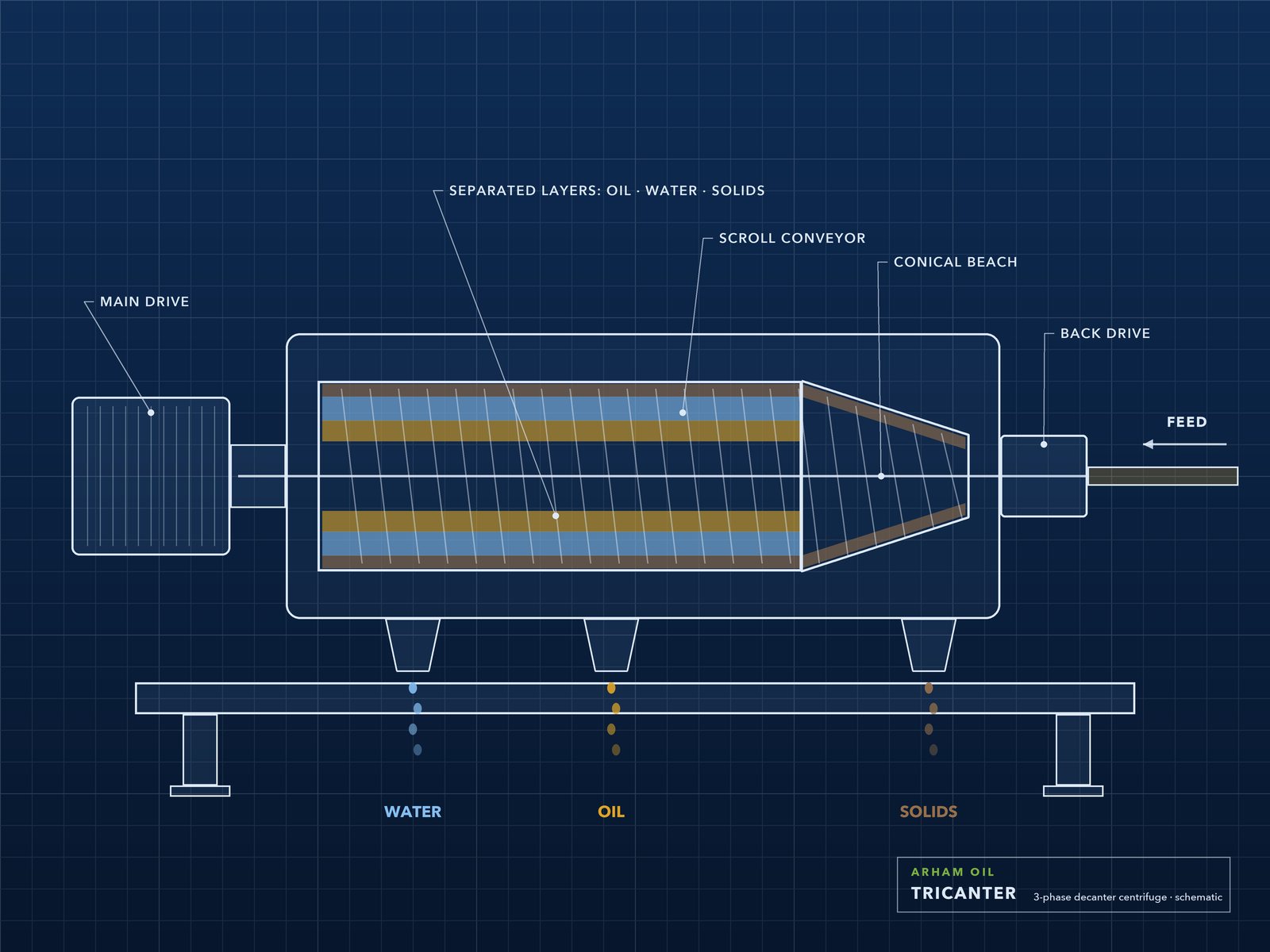
Oily sludge, slop and tar are separated into oil, water and solids. The oil goes back to you.
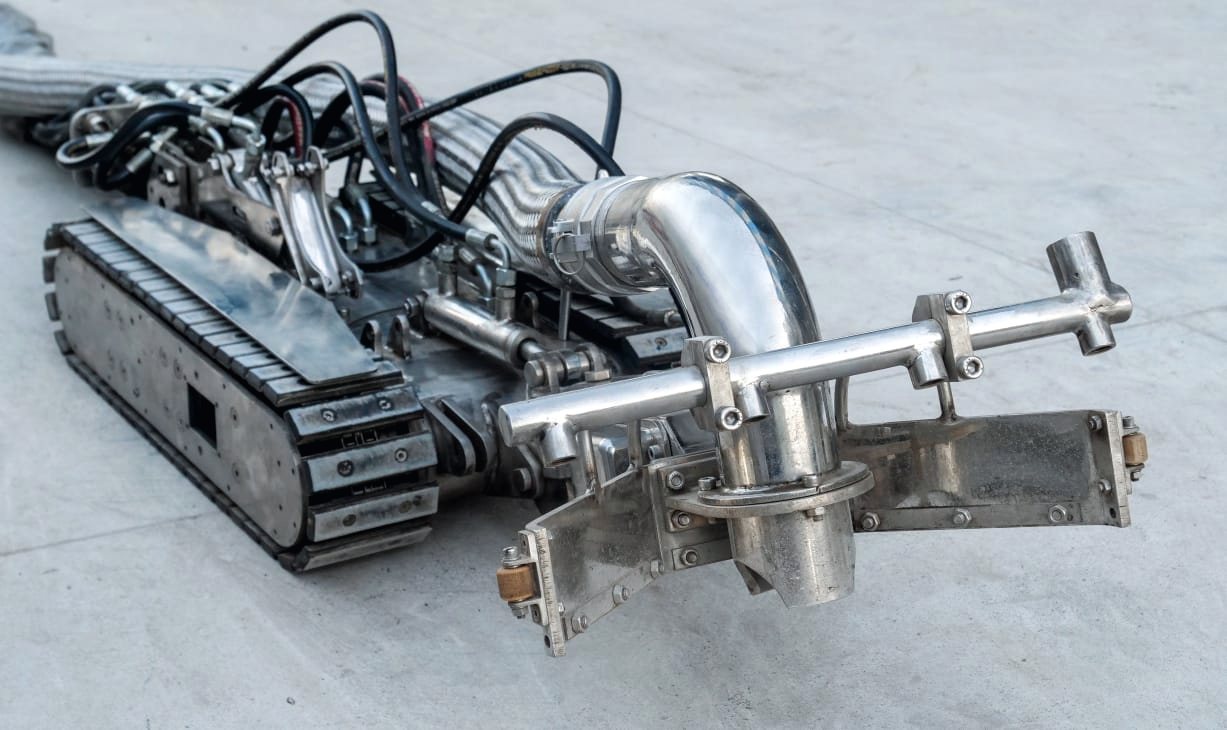
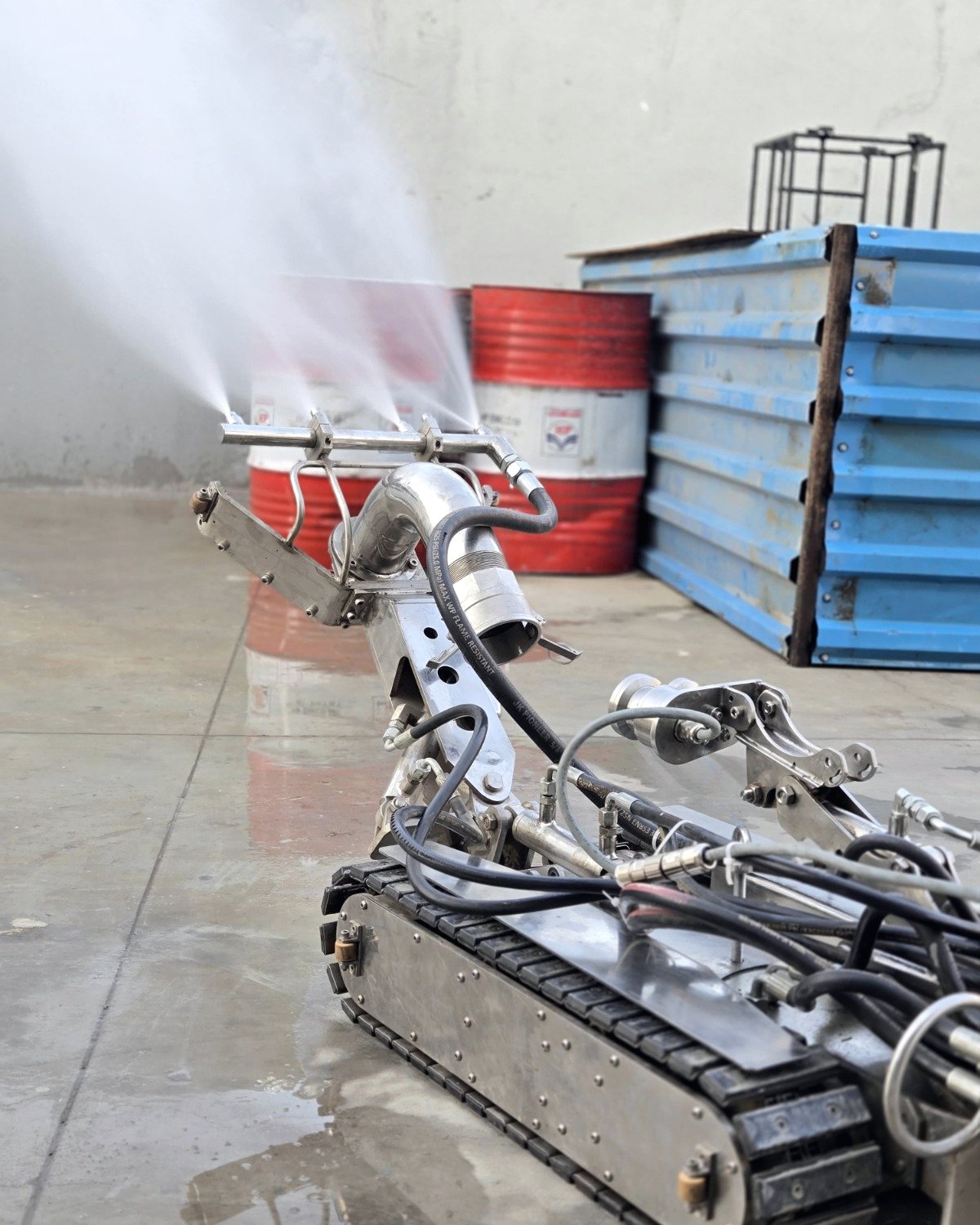
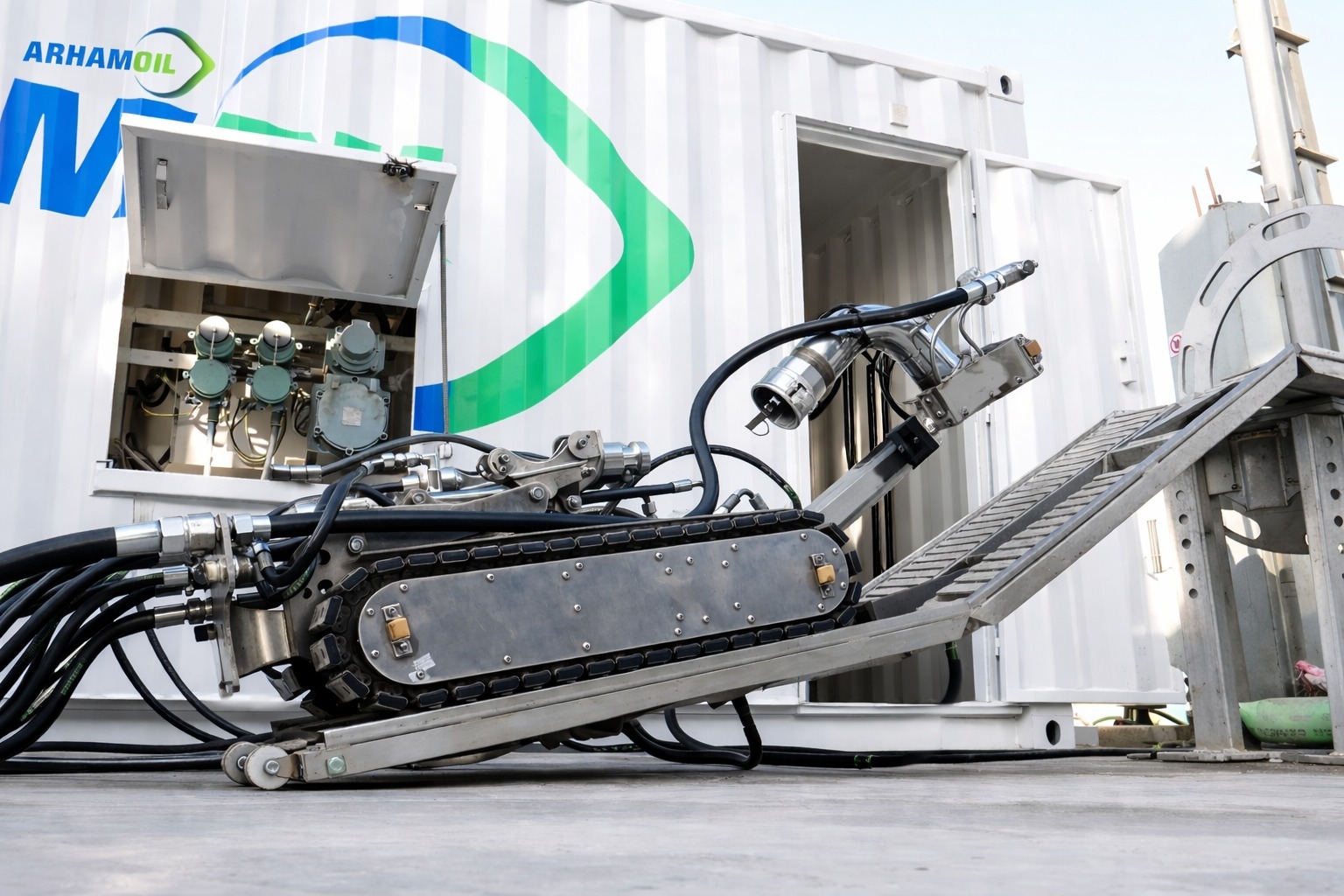
Robots enter through the manhole and clean the floor and sludge mounds while operators control them from outside. Recovered oil goes back into the process.
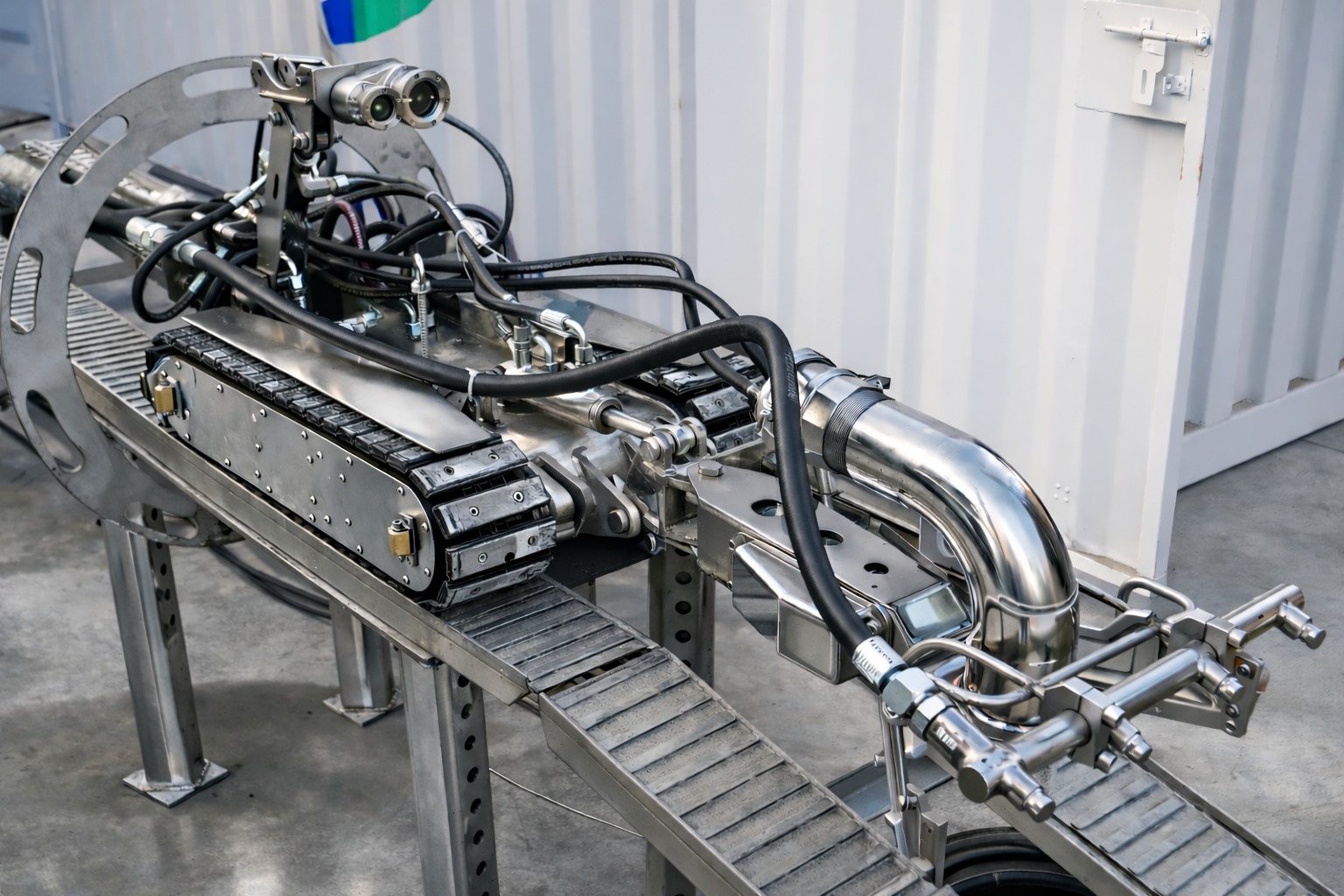
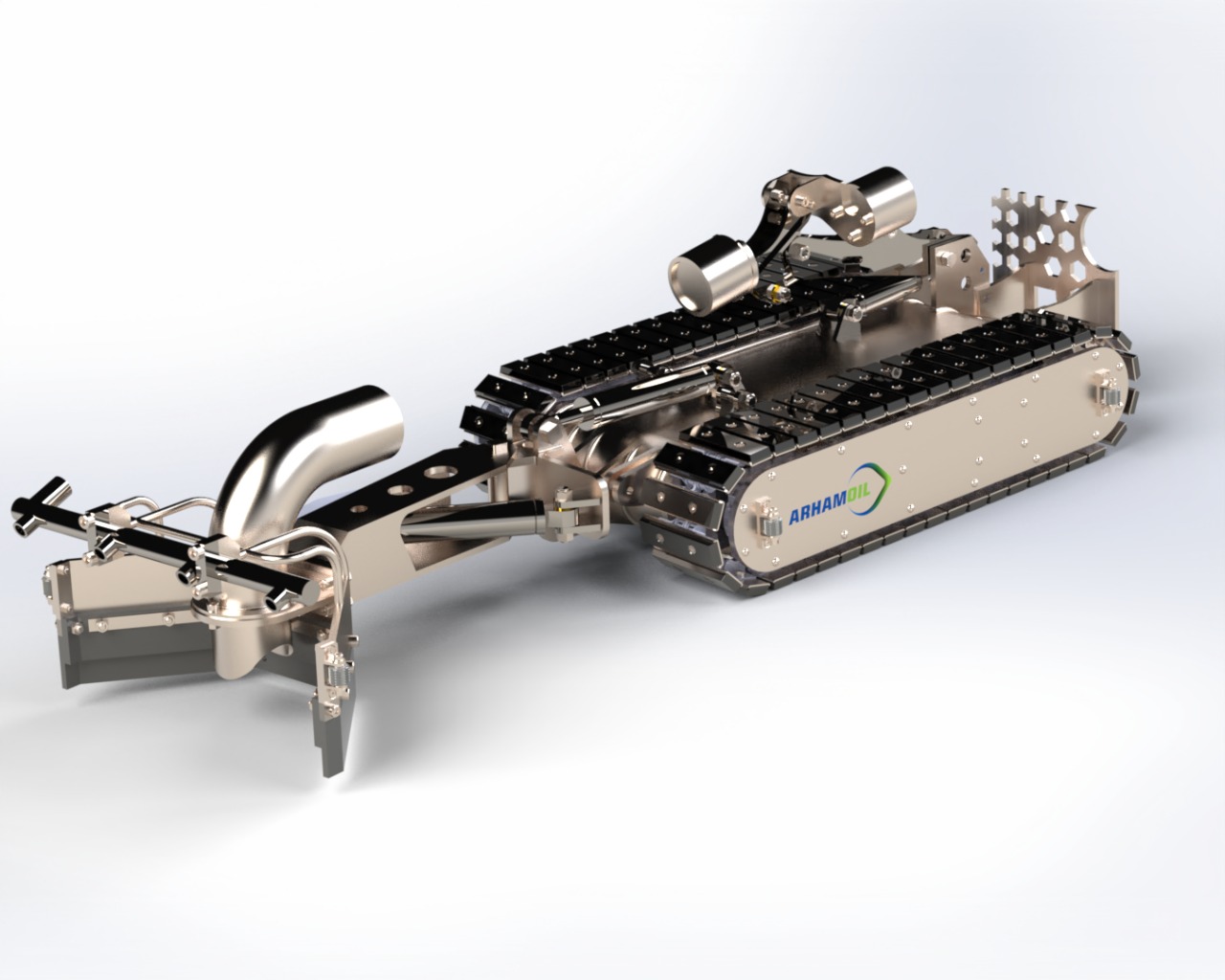
Built in-house
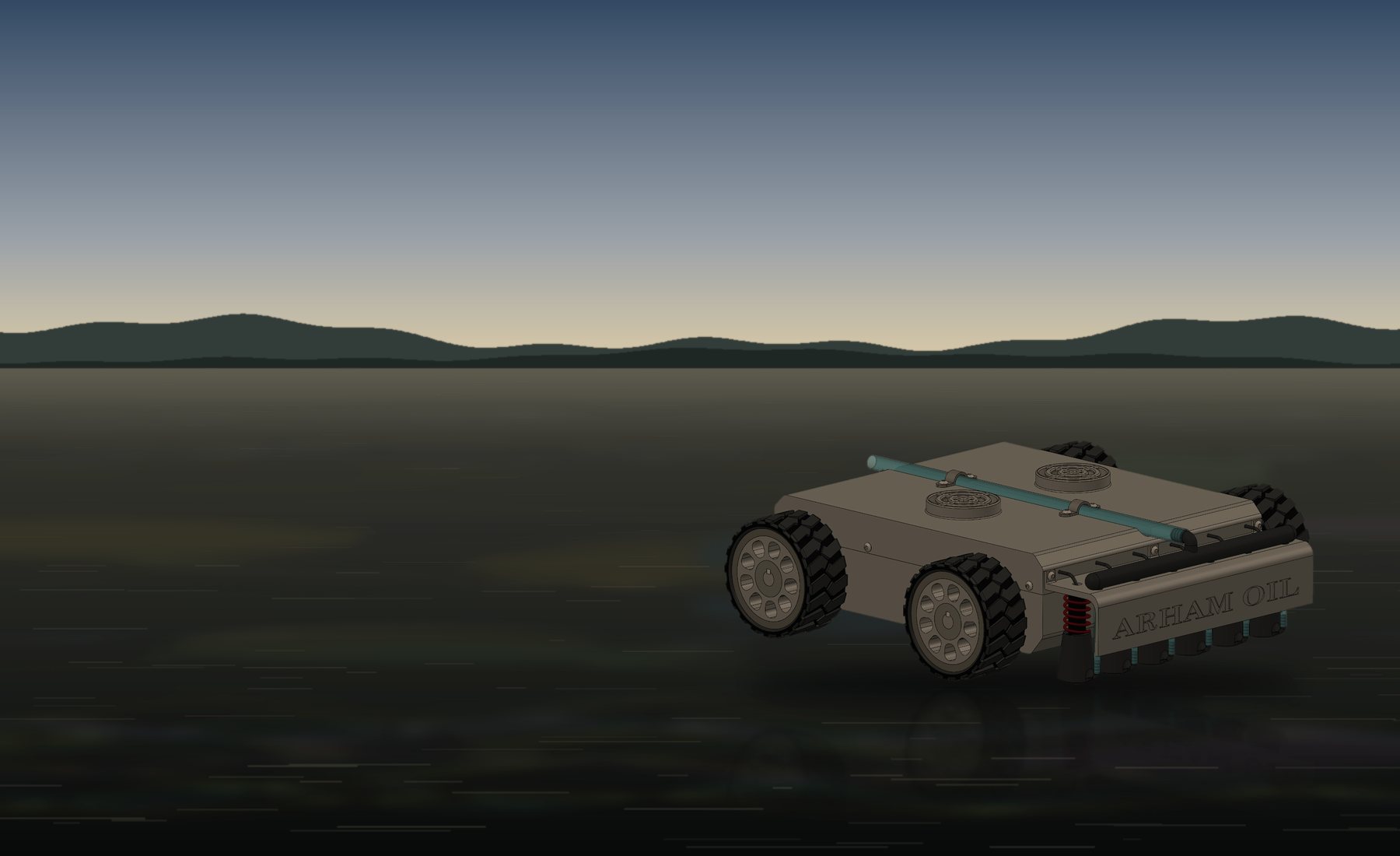
Our own hydraulic tank cleaning robot. It goes in so your people don't.
Our mobile processing line runs on your site and handles about 8–30 m³ per hour. A standard storage tank is usually processed in under a week.
Successful non-man-entry work in both storage tanks and open lagoons.
Our own washing technique for the solids left after separation.
Robotic, mechanized or online methods, chosen for your asset and sludge.
Chemicals, robots and processing set up for each site.
Hazardous waste is cleaned and disposed of without human exposure.
June2026
Another piece of technology developed by our own engineers.
More answers are on each service page and in our full FAQ.
No. Our robotic systems are operated remotely from a safe zone, so no one enters the confined space.
We routinely recover 90–95% of hydrocarbons from processed sludge. That offsets disposal costs, frees tank capacity and generates revenue.
Typically 3–7 days, compared with 10–14 days for manual cleaning. Robots can work around the clock.
It depends on tank size and sludge volume. Robotic methods typically save 40–60% compared with manual cleaning by reducing downtime, waste and labour. Robot-as-a-Service (RaaS) plans are available with no upfront cost.
Yes. Our modular, mobile setups, including tricanter centrifuges and steam-based LSPU units, are deployed on-site, which removes transport costs.
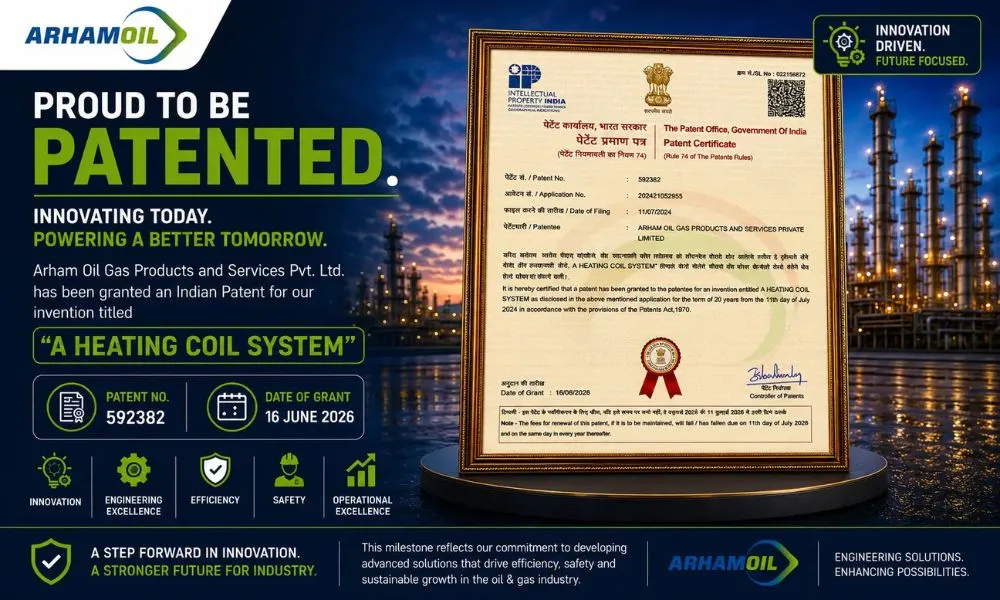
A proud milestone in our journey of innovation.
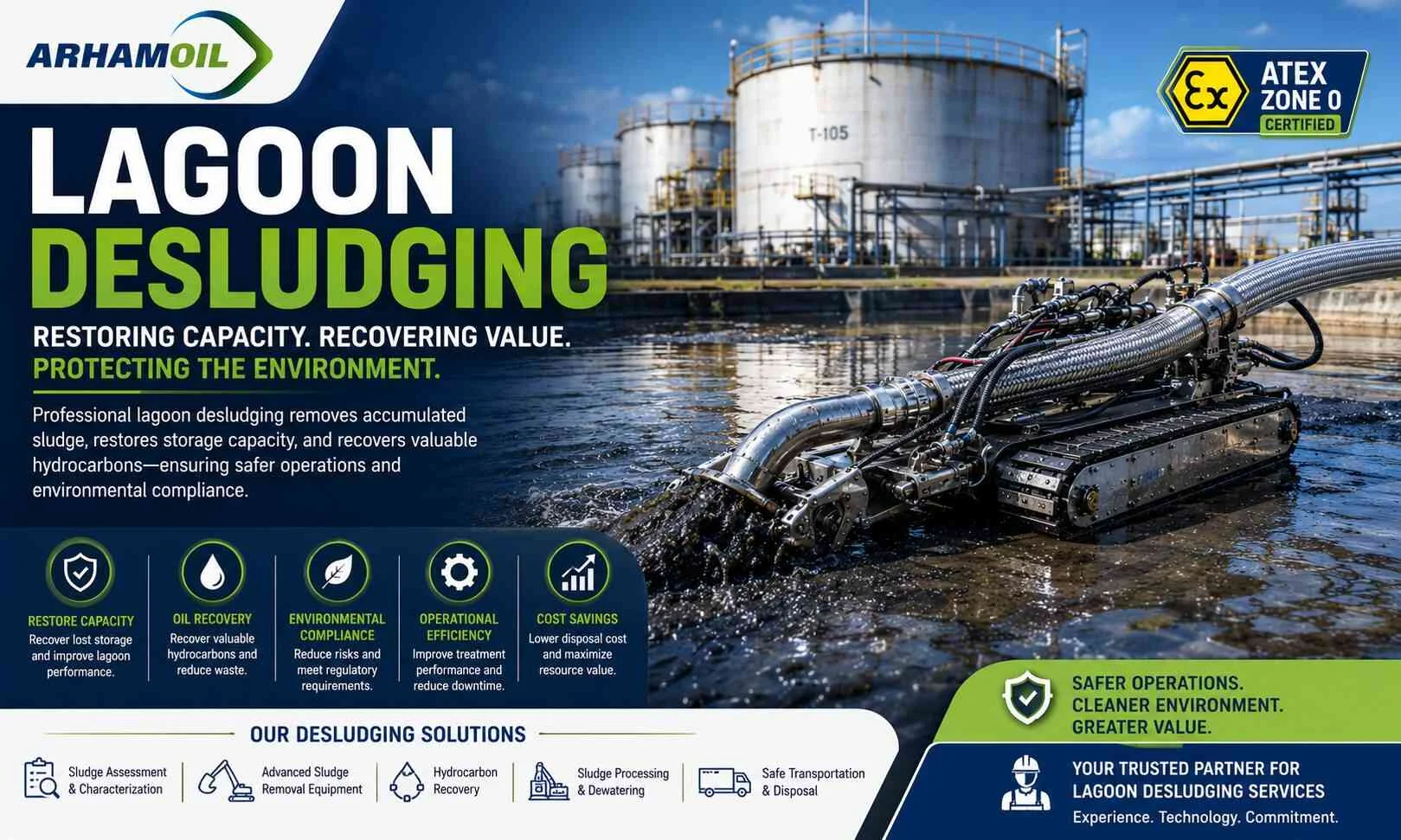
Industrial lagoons collect wastewater, oily residues, process waste and sludge from refinery operations.
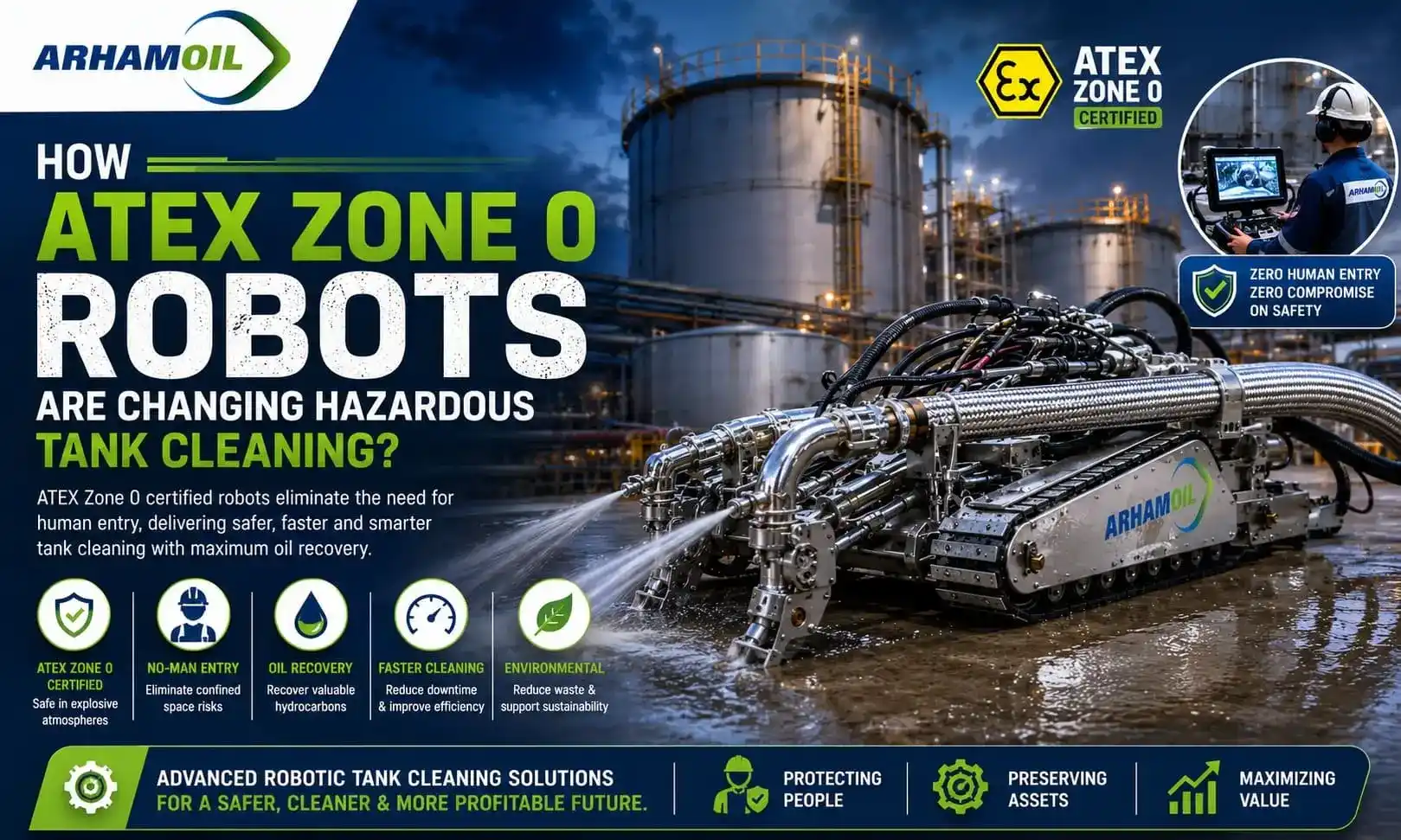
Crude, fuel, slop and process tanks all build up residue that has to be removed safely.
Our mission
Our mission is to introduce eco-friendly technology that quickly and economically breaks sludge back into oil, water and sediments, most of which can be recycled. It is time to stop the spread of lagoons.
Tell us the asset, the product it holds and roughly how much sludge you expect. Our engineers will recommend a method and timeline.
Settings