Sludge oil recovery by re-processing of oily sludge, slop and tar
Oily sludge is hazardous waste, but most of it is oil. We recover 90–95% of that oil for reuse or refining and reduce the remaining solids to 10–20% of the original volume.
Where oily sludge comes from
The share of oil, water and solids depends on the source.
- Normal production operations
- Tank bottom sludge
- Skimmed oil
- Pigging operations
- Workover spills
Why sludge is a problem
Hazardous waste
It is classified as hazardous and threatens groundwater.
Hard to separate
Constituents are difficult to separate to meet BS&W targets.
Lost capacity
It occupies tank volume and contaminates the clear product above it.
Lost product
Valuable oil stays locked in the sludge unless it is recovered.
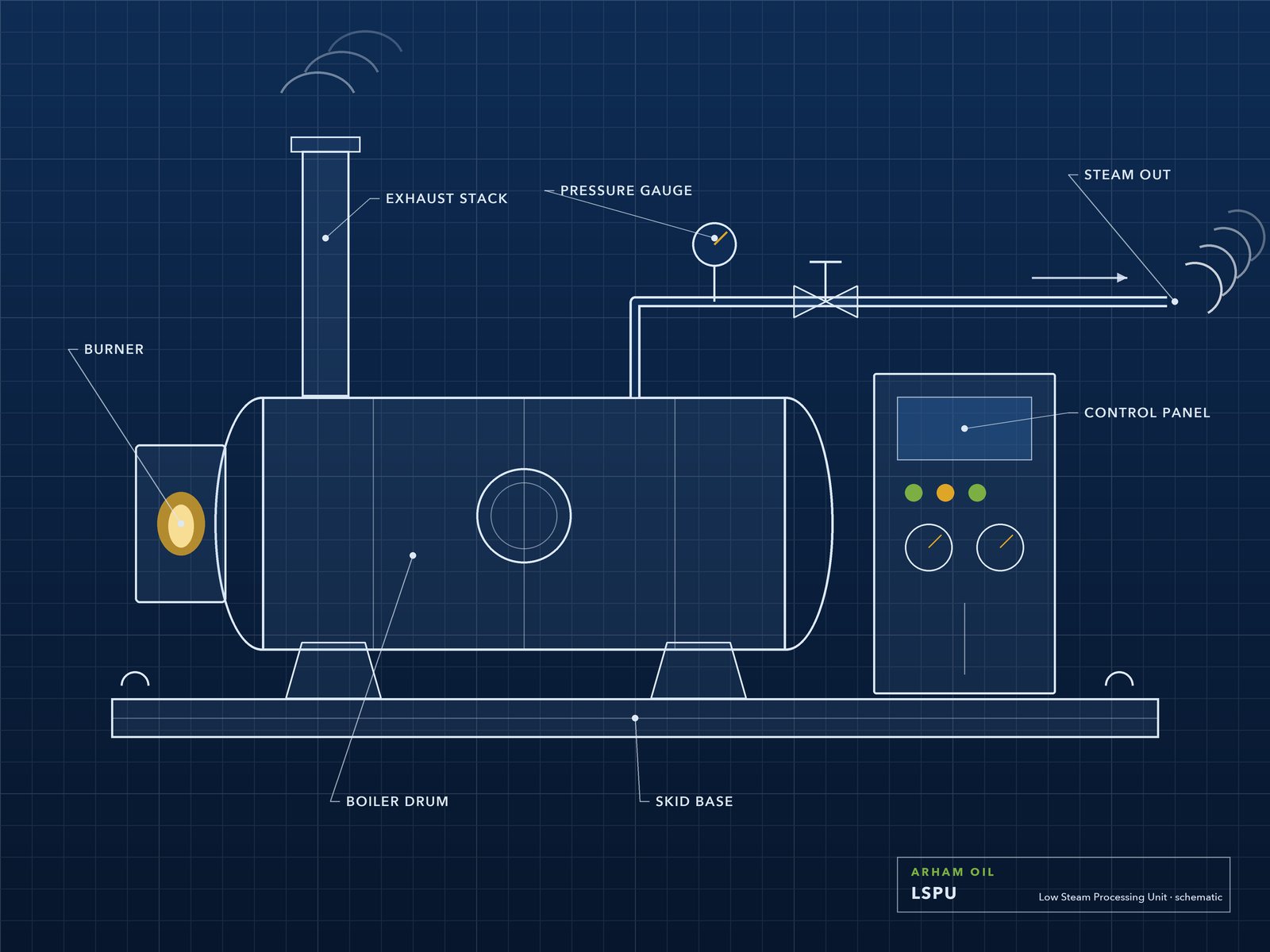
Low Steam Processing Unit (LSPU)
The LSPU introduces hot steam into the sludge treatment tank. This lowers the sludge's viscosity so it flows and can be processed, and helps break emulsions so oil and water separate.
Chemicals and equipment
Operations use our patented chemicals, Sludge Treat and Slop Treat.
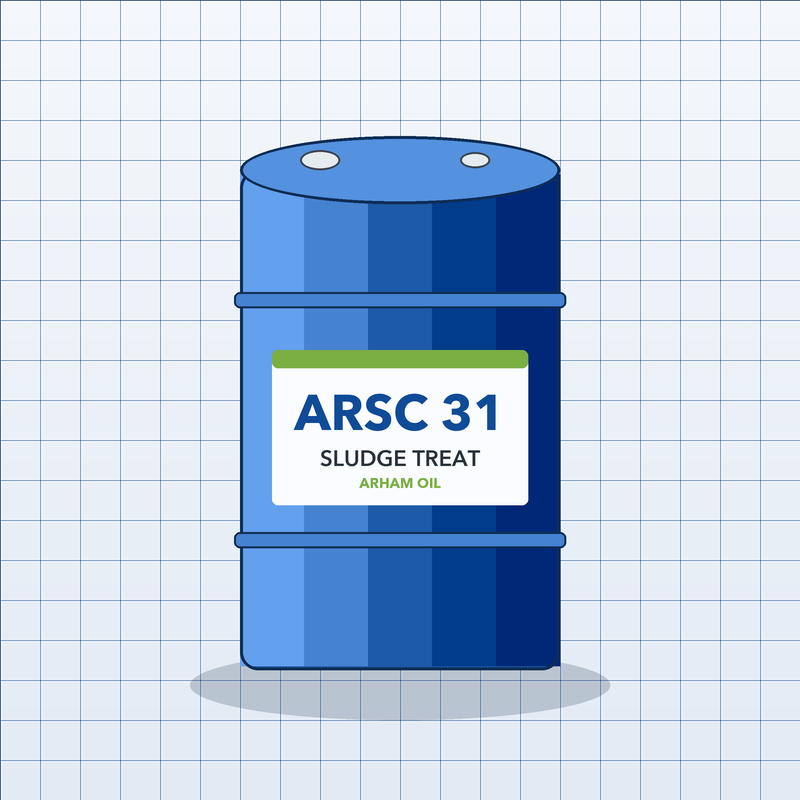
ARSC31 Sludge
Crude oil sludge, refinery waste and tank bottom treatment for oil recovery.
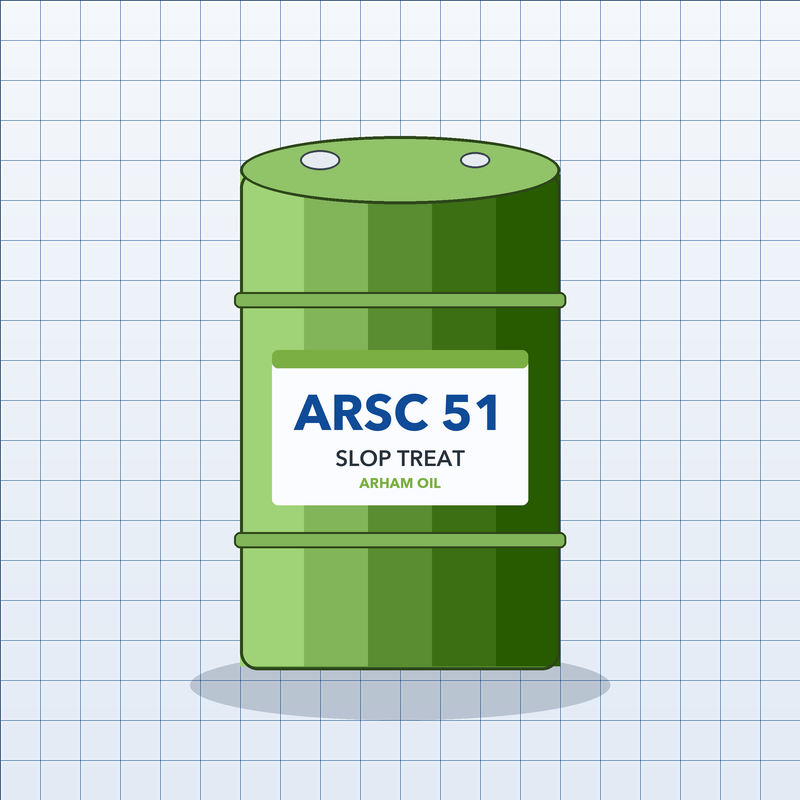
ARSC51 Slop
Drilling slop and drilling mud treatment for oil recovery.
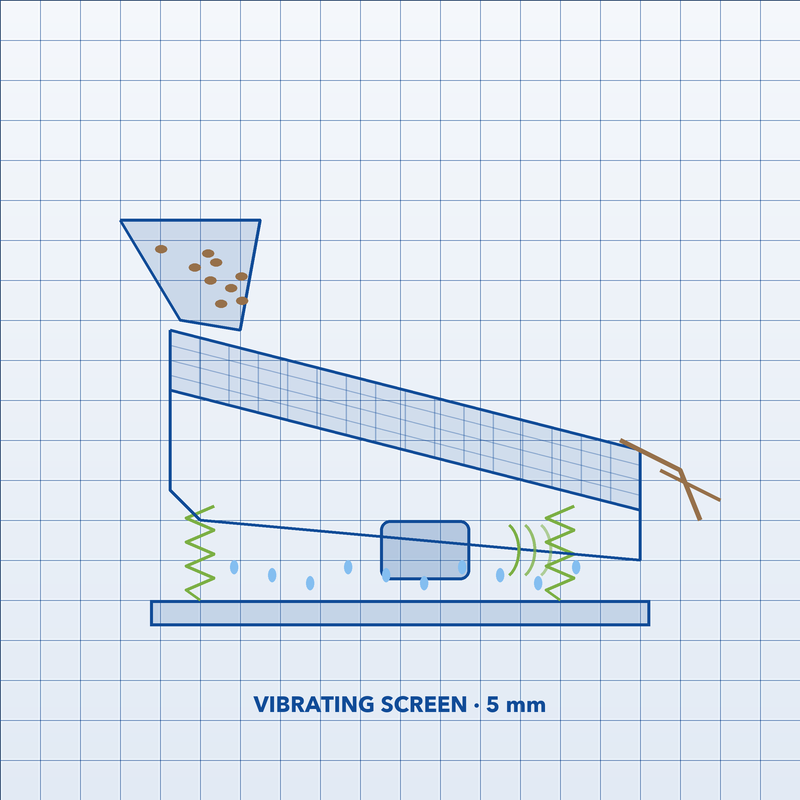
Vibrating screen
A 5 mm screen removes larger particles such as leaves and sticks.
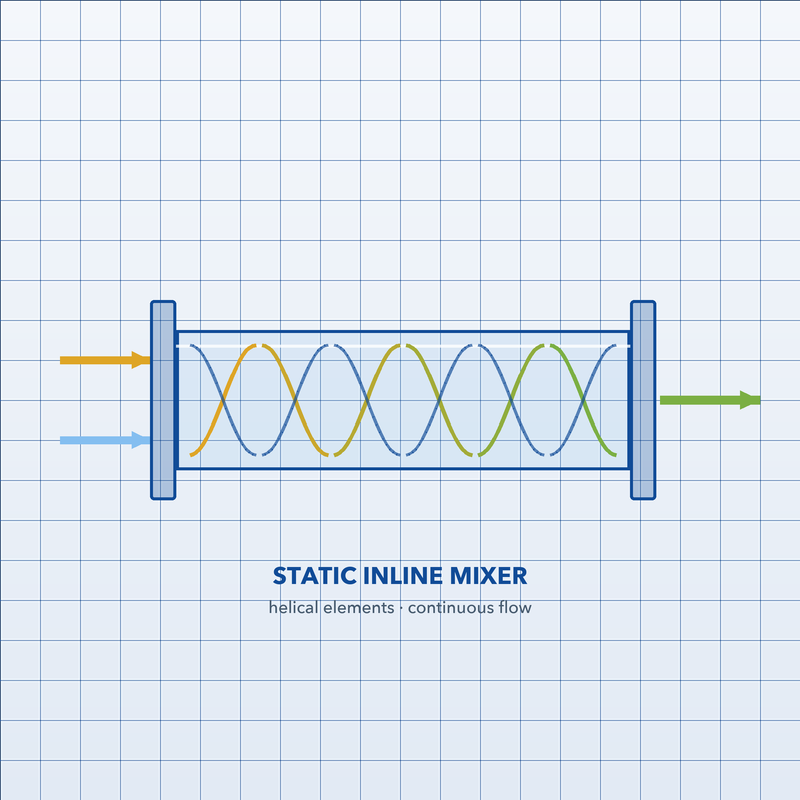
Static inline mixer
A helical mixer in clear tubing mixes fluids continuously as they flow.
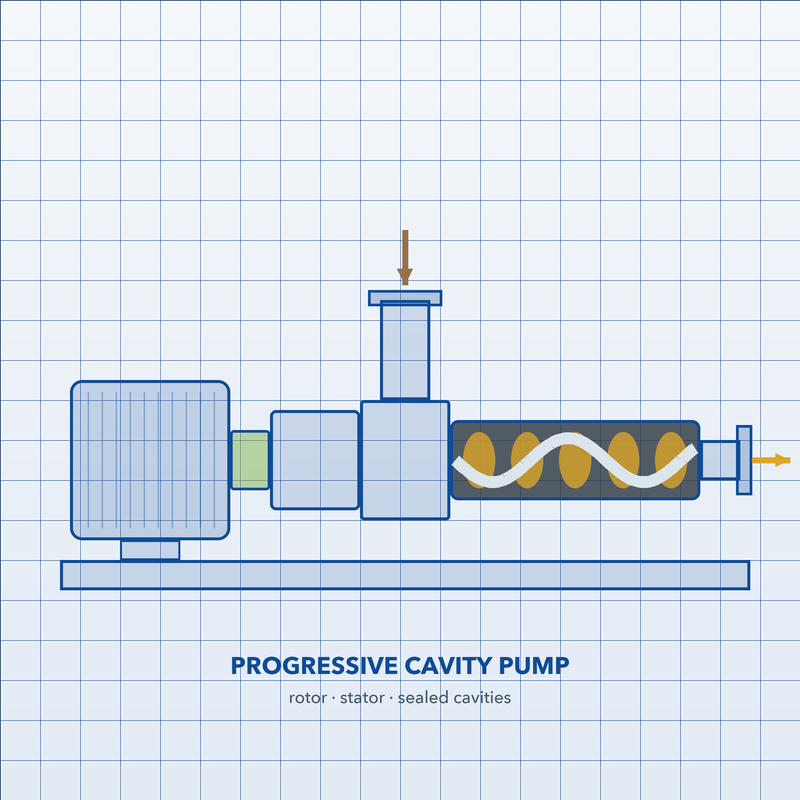
Progressive cavity pump
Moves fluid through a sequence of small, fixed cavities as the rotor turns.
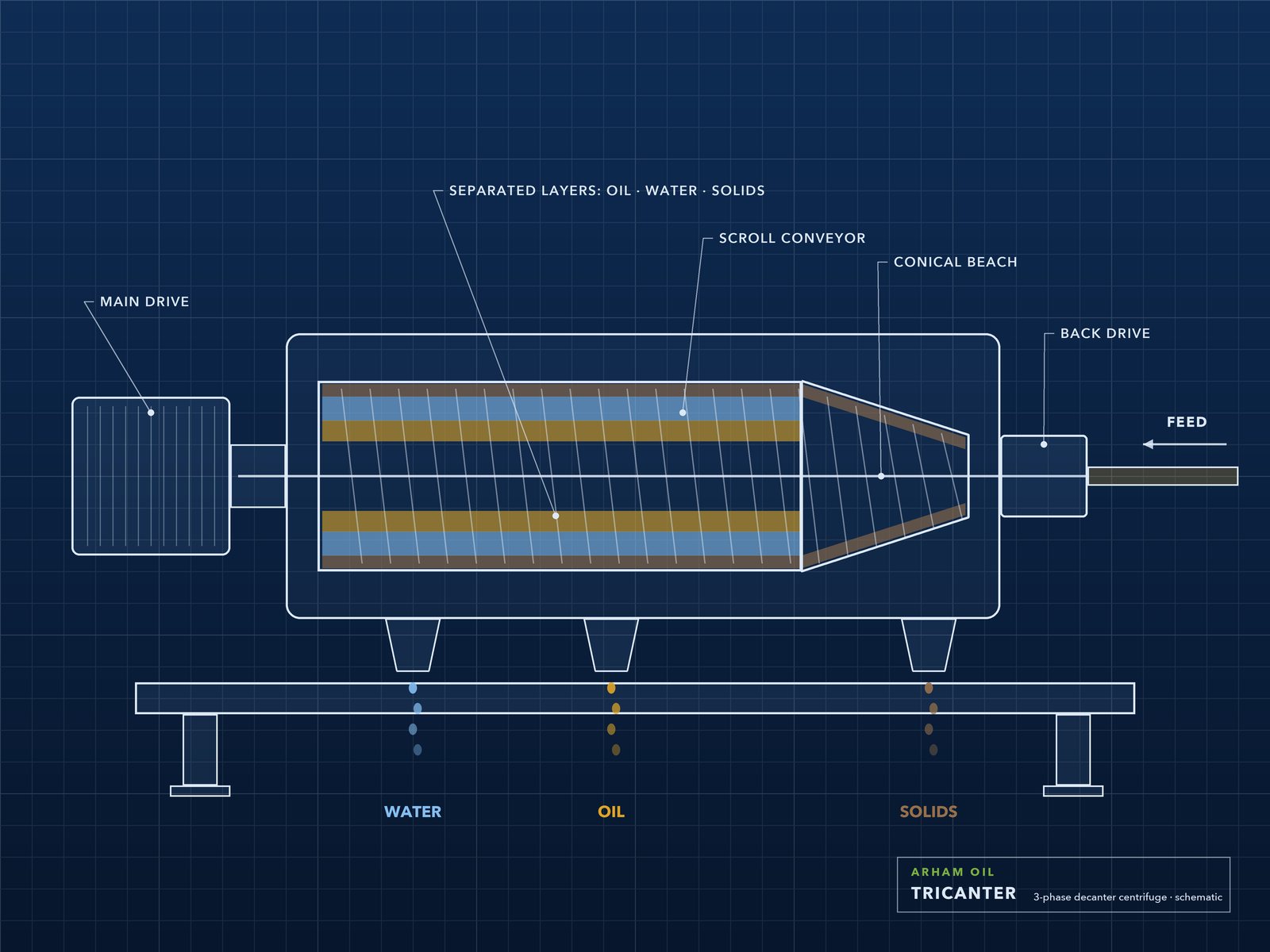
Decanter and tricanter centrifuge
Our tricanter is designed in the Arham Oil workshop specifically for oily sludge, working alongside a high-speed separator to split oil, water and solids.
What a sludge processing project delivers
- 90–95% of the oil in the sludge is recovered as crude, for further refining or use as a final product
- Separated solids are only 10–20% of the original sludge, cutting transport and landfill costs
- The environmental hazard is removed
Questions about sludge oil recovery
What is sludge oil recovery and how does it work?
It extracts hydrocarbons from oily sludge, a mix of oil, water and solids, using mechanical separation such as centrifuges, steam heating and chemical treatment. Our integrated process recovers up to 95% of usable oil.
What types of sludge can be treated?
Sludge from tank bottoms, skimmed oil, pigging, drilling fluids and industrial effluents. We adjust centrifugation, chemical demulsification and steam heating to the composition.
How much oil can be recovered?
We routinely recover 90–95% of hydrocarbons from processed sludge. That offsets disposal costs, frees tank capacity and generates revenue.
Is sludge oil recovery environmentally safe?
Yes. The remaining solid fraction is under 20%, which limits pollution and landfill needs.
Can it be done on-site?
Yes. Our modular, mobile setups, including tricanter centrifuges and steam-based LSPU units, are deployed on-site, which removes transport costs.
How long does it take?
Mobile units treat about 8–30 m³ (50–200 barrels) per hour. A standard storage tank is usually processed in under a week including setup; larger facilities may need 7–14 days.
Further reading
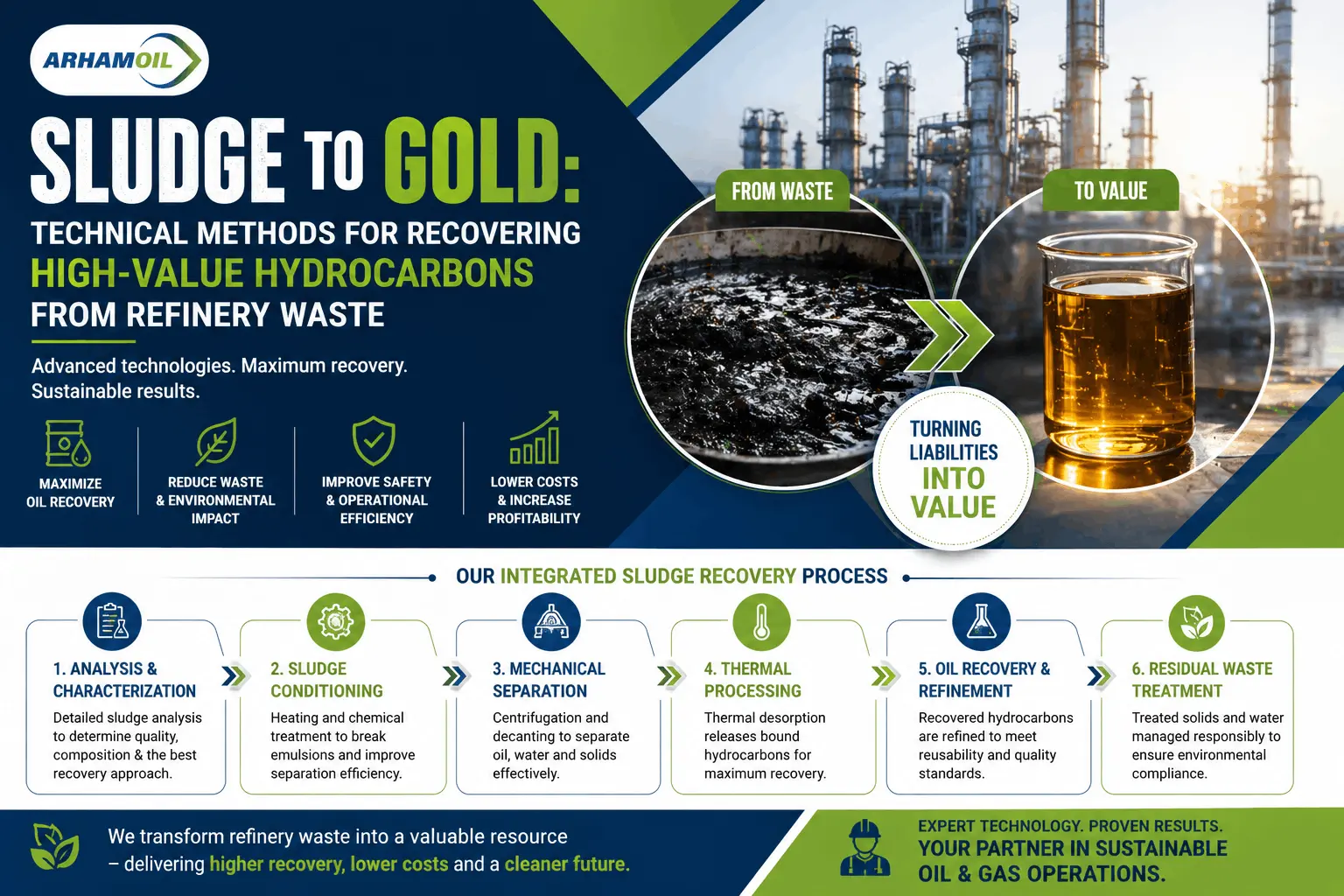
Sludge to Gold: Technical Methods for Recovering High-Value Hydrocarbons from Refinery Waste
Storage tanks, separators, pipelines and lagoons all accumulate thick layers of sludge.
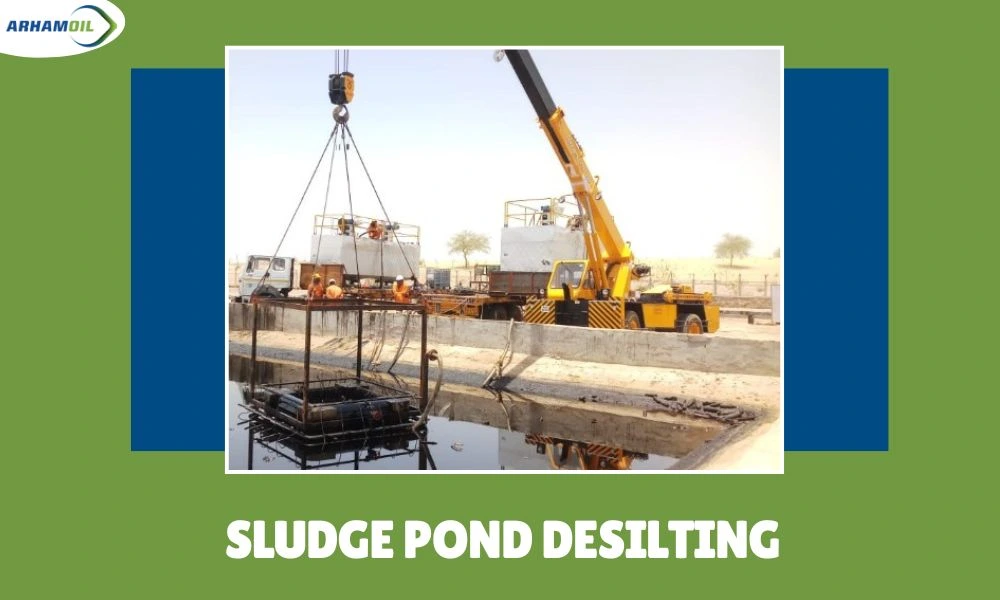
Sludge Pond Desilting: Restoring Efficiency and Environmental Balance in Oil & Gas Operations
Managing sludge build-up in ponds is a key environmental and operational challenge.
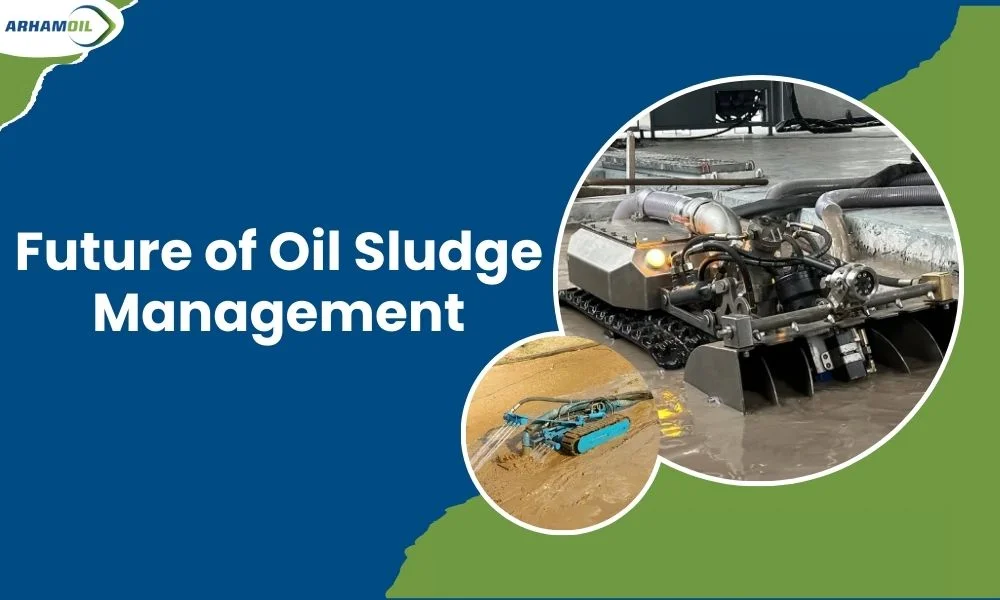
The Future of Oil Sludge Management: Trends to Watch in 2025 and Beyond
Turning a hazardous by-product into an opportunity.
Other services
Get your tank or lagoon assessed
Tell us the asset, the product it holds and roughly how much sludge you expect. Our engineers will recommend a method and timeline.