Lagoon cleaning
We remove built-up sludge, sediment and waste from industrial and municipal lagoons, restore their capacity and handle disposal in line with regulations.
Why lagoons need cleaning
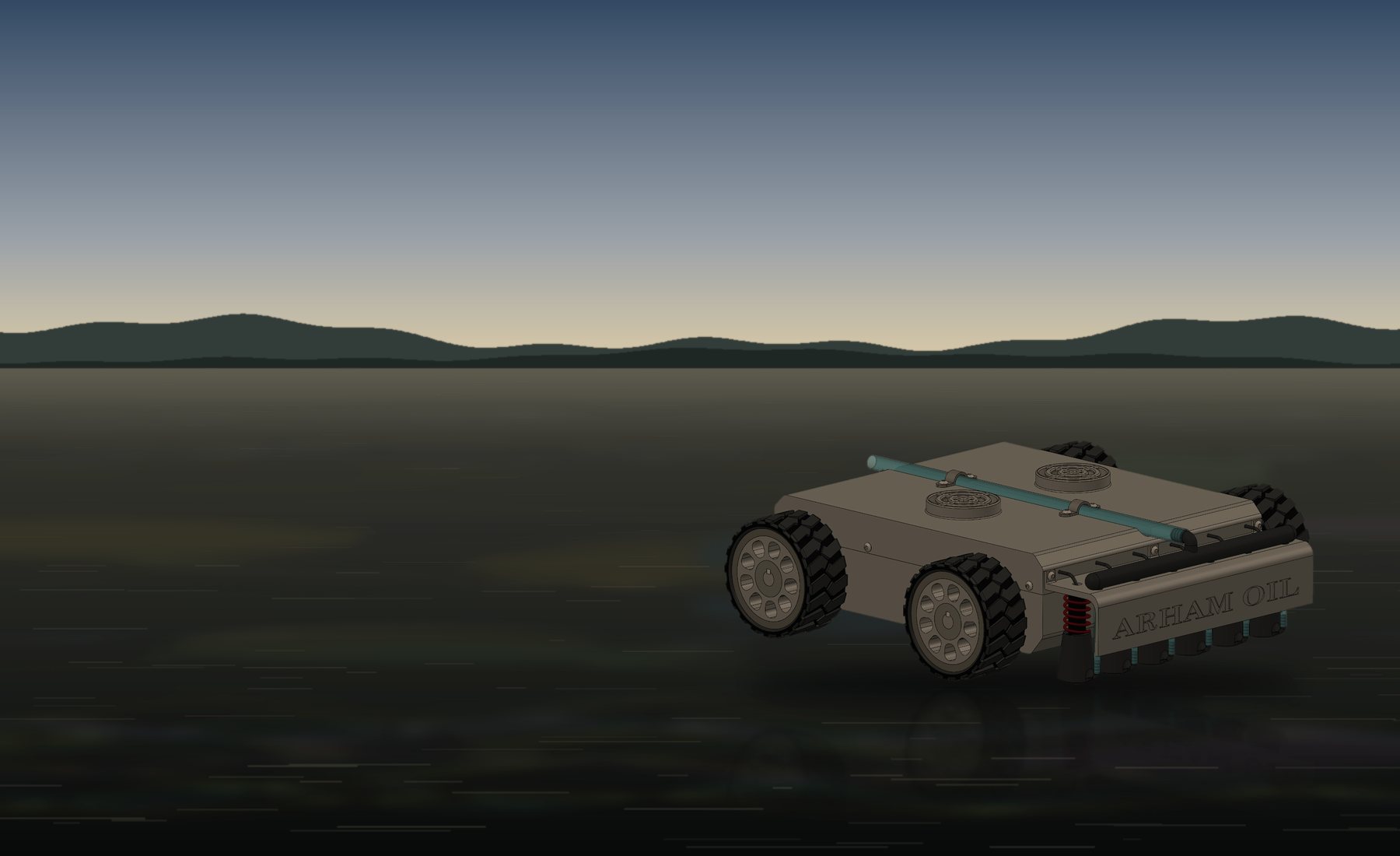
Lagoons used for wastewater treatment, industrial processes or agriculture gradually fill with organic and inorganic material. That reduces capacity, causes odours and creates environmental risk. Regular cleaning keeps them working and avoids costly problems.
Our lagoon cleaning process
Initial assessment
We evaluate the lagoon's condition, sludge type and quantity, and likely contaminants.
Cleaning plan
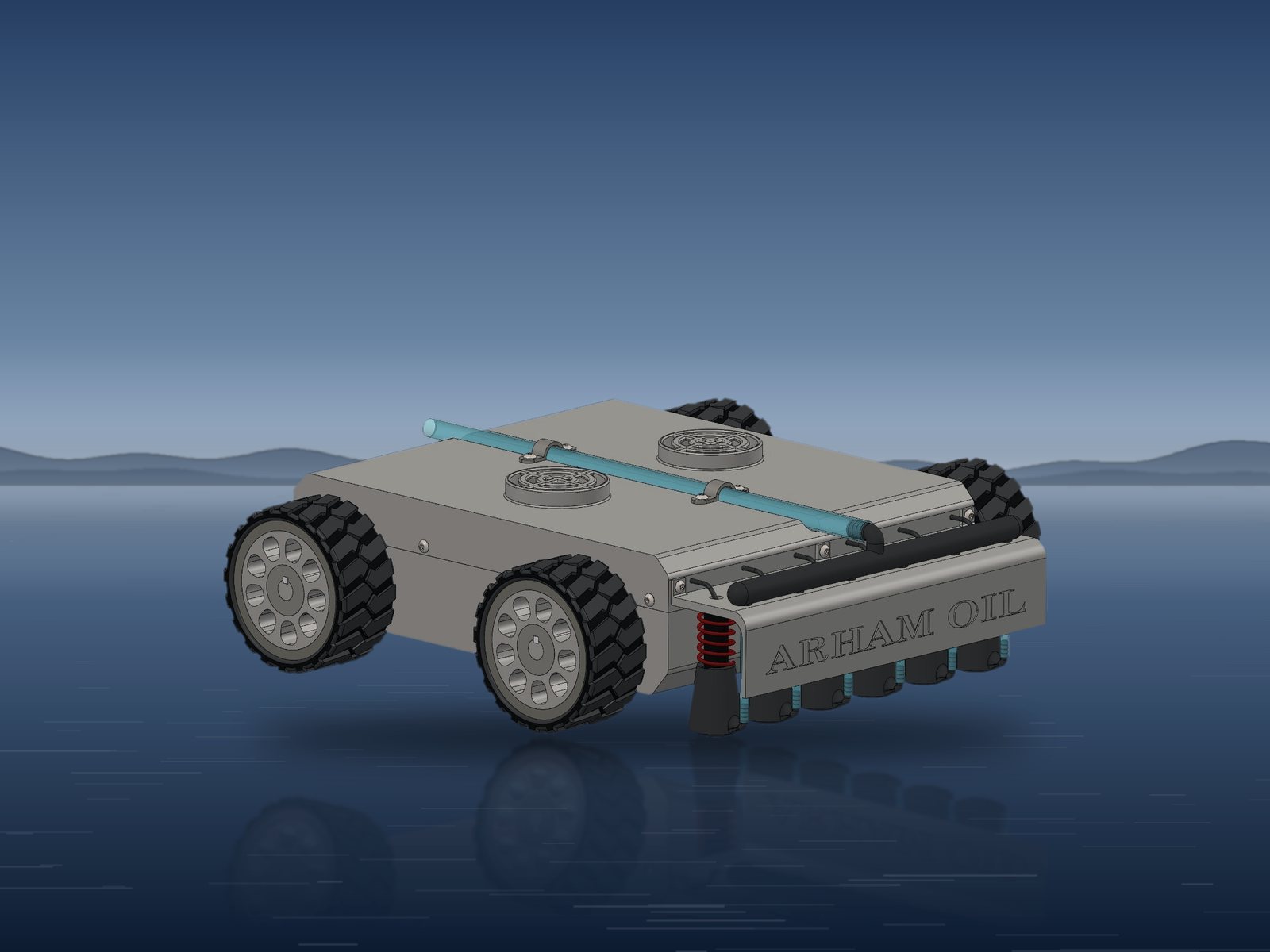
Mechanical dredging, hydraulic removal or vacuum systems, chosen for your lagoon.
Sludge removal
Sludge, sediment and debris are removed without harming the surroundings.
Waste management
Disposal is handled in line with environmental regulations.
Inspection and report
A detailed report with before-and-after data confirms the lagoon meets operating standards.
Further reading
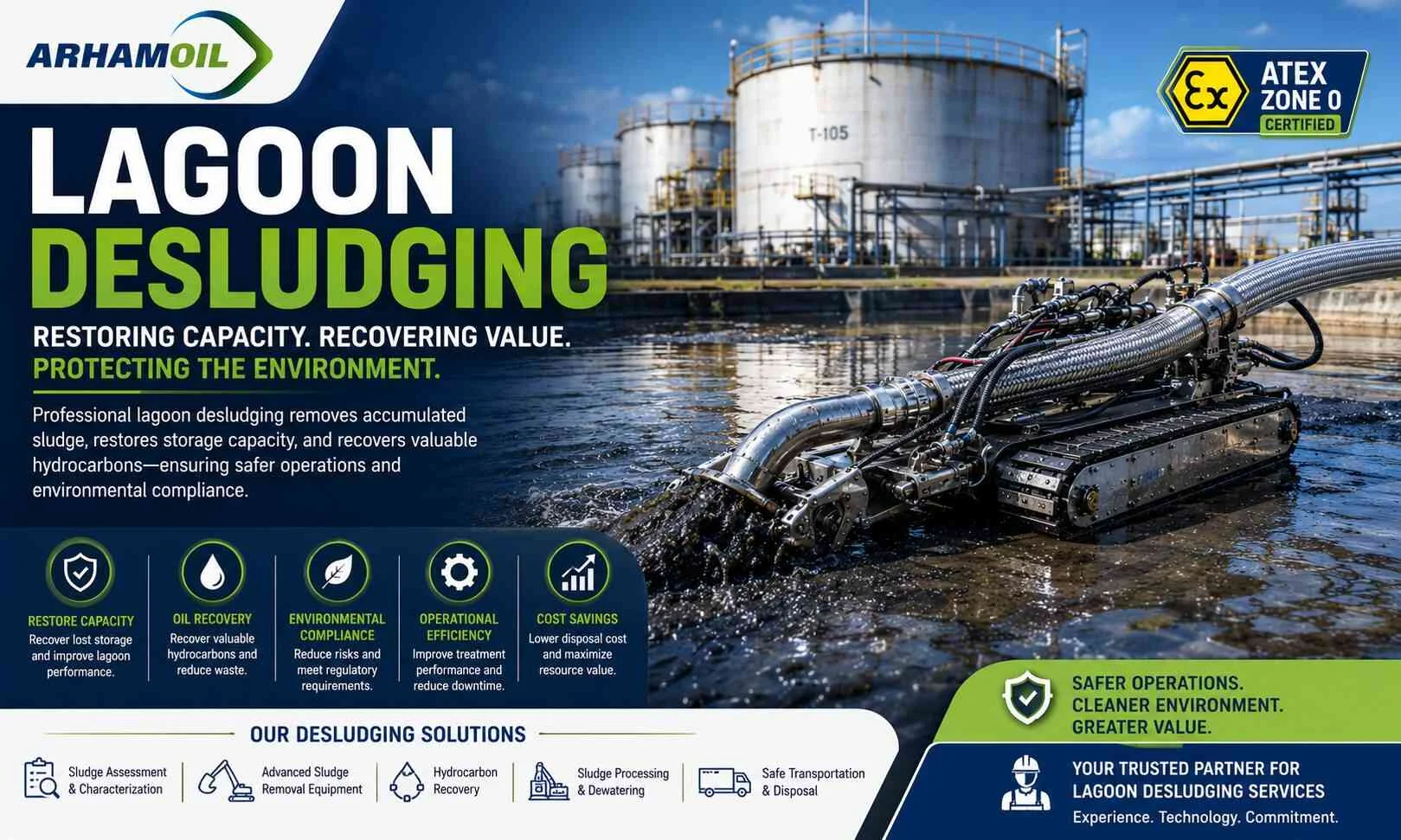
Lagoon Desludging: Restoring Capacity and Recovering Value in Oil & Gas Operations
Industrial lagoons collect wastewater, oily residues, process waste and sludge from refinery operations.
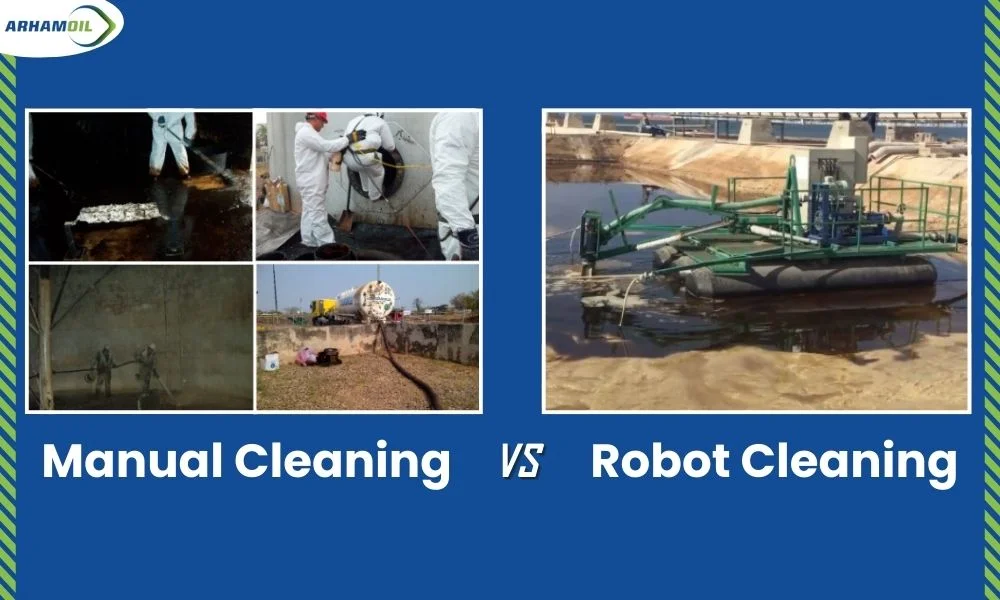
Lagoon Cleaning Costs: Manual vs. Robotic Methods Compared
The hidden expense of neglecting lagoon maintenance.
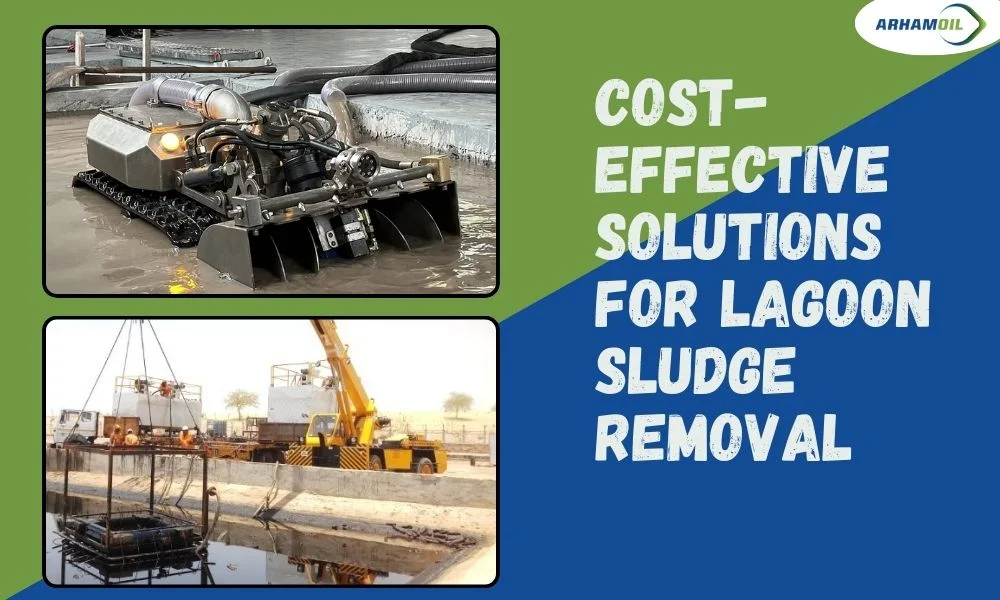
Cost-Effective Solutions for Lagoon Sludge Removal
Removing sludge from industrial and municipal lagoons.
Other services
Get your tank or lagoon assessed
Tell us the asset, the product it holds and roughly how much sludge you expect. Our engineers will recommend a method and timeline.